Browser-based creation
Explore d id online free for a spoken photo clip
A d id online free search often starts with a simple goal: make a still portrait deliver a short message. Prepare an image and a script, then check the available preview and export options before sharing the result.
Three ways to explore the format
Start with the part of the workflow you need to understand. Each guide focuses on a different decision before you make a clip.
- d-id talking photo See how a single portrait and spoken message fit together in a talking-photo workflow.
- d-id ai avatars Compare the choices involved in using a presenter-style avatar instead of a personal photo.
- d id tutorial step by step Follow a fuller preparation and review checklist for your first video.
Build your clip step by step
Keep the first attempt short so you can spot image, speech, and timing problems without revising a long video.
-
1
Choose a usable portrait
Pick an image with one clearly visible face, even lighting, and room around the head. Use a photo you own or have permission to animate; a sharply angled or partly hidden face makes the intended expression harder to judge.
-
2
Write the spoken message
Draft two or three sentences that sound natural when read aloud. Put names and unfamiliar words into a test line first, and choose an available voice that suits the message rather than relying on text alone.
-
3
Preview, revise, then share
Watch the full result for pronunciation, mouth movement, pauses, and framing. If the tool offers an export, inspect its resolution, watermark, and permitted uses before publishing the clip or sending it to someone else.
Know the limits before you create
An online talking-photo workflow removes much of the manual timeline work, but it does not replace judgment about the source image, the message, or the output.
| Browser-based talking photo | Manual video editing | |
|---|---|---|
| Starting material | A suitable portrait and written speech are the main inputs. | Footage, recorded speech, or separately made graphics must be assembled. |
| Facial motion | Generated motion should be checked against the spoken words. | The editor works with captured motion or constructs the effect manually. |
| Script changes | Revise the text and preview the generated result again. | Re-record speech or adjust footage and timing on the timeline. |
| Visual control | Control depends on the options the chosen tool actually exposes. | Layering and frame-level adjustments are available in a capable editor. |
| Free access | Preview, export, and usage conditions need checking in the current tool. | Conditions depend on the editing software and source assets used. |
| Best first check | Look for a natural face, clear speech, and an acceptable final file. | Check cuts, sound levels, captions, and the finished render. |
See the input and intended output
Think of the change as a production step, not proof that any particular image will animate perfectly.
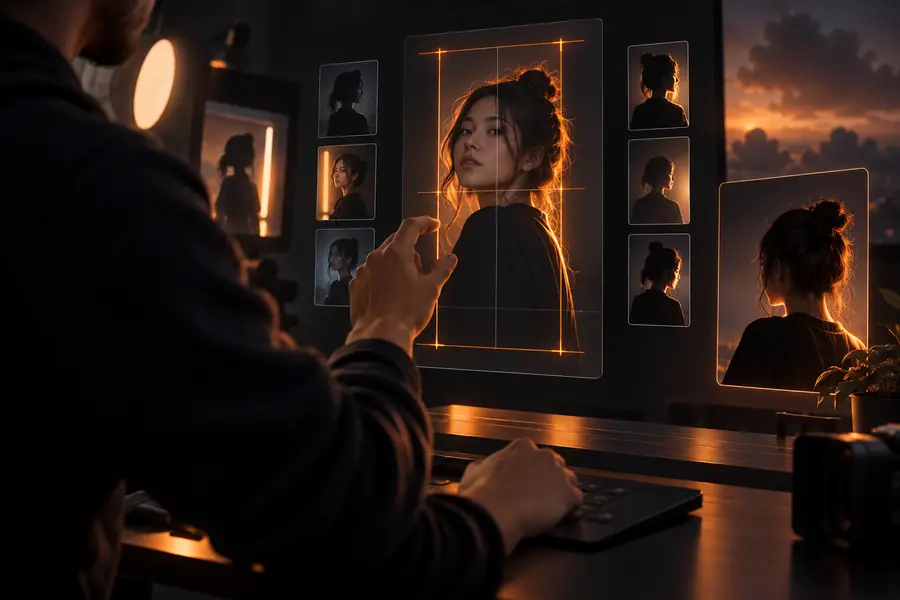
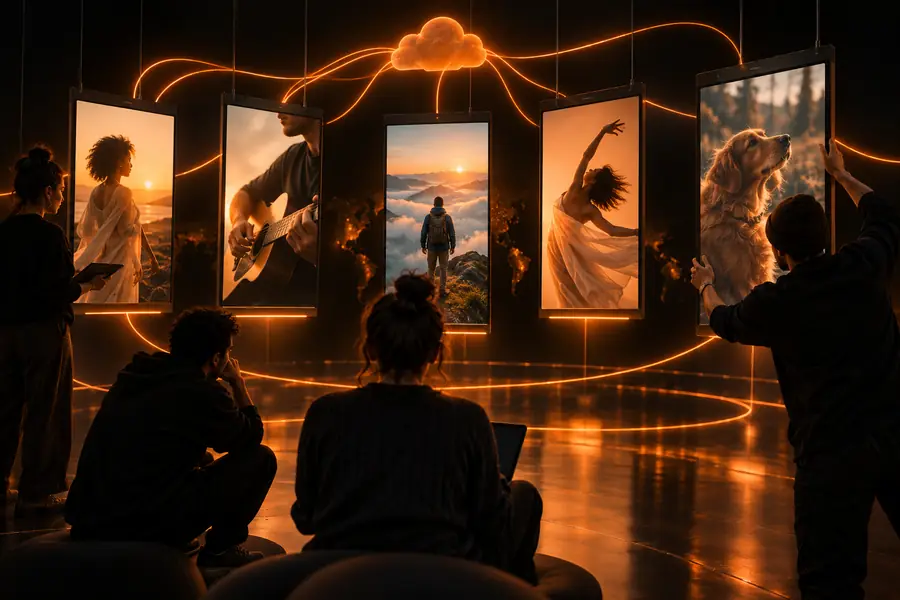
These images illustrate the workflow rather than showing a verified before-and-after conversion of the same person. For your own clip, compare the preview with the source portrait and listen through the entire message.
Prepare the portraitReview the presenter clipGive your short message a face
If you came looking for d id online free, begin with a photo you are allowed to use and a message you can test in one viewing. Open the video tool, review what it offers, and confirm its current output conditions before you share anything.
Try a portrait with a brief script
- Use a clearly framed portrait
- Test pronunciation in a short script
- Check the final output and its terms
Questions about creating a clip online
A browser-based video workflow lets you prepare a portrait and script without first building a manual editing timeline. Whether a particular service offers a free preview or downloadable result can change, so check the options it presents before starting.
Start with a portrait you have permission to use and a short script written for speech. A clear, front-facing image makes it easier to assess the result, while a brief message makes pronunciation and timing easier to review.
Do not assume it does. Preview access, export availability, watermarks, resolution, and permitted uses are separate conditions; read the current tool's output details before relying on a clip for a project.
You can select a photo and draft text on a phone, but the editing experience and supported uploads depend on the tool and browser. Inspect the portrait at full size first so you can catch cropping, blur, or another face in the frame.
Low image quality, an obscured face, difficult pronunciation, or a long script can make problems more noticeable. Try a clearer portrait and a shorter test sentence, then watch and listen to the complete preview before using it.